
Choosing Landscape Stone in Northampton County, PA, That Supports a More Refined Outdoor Experience
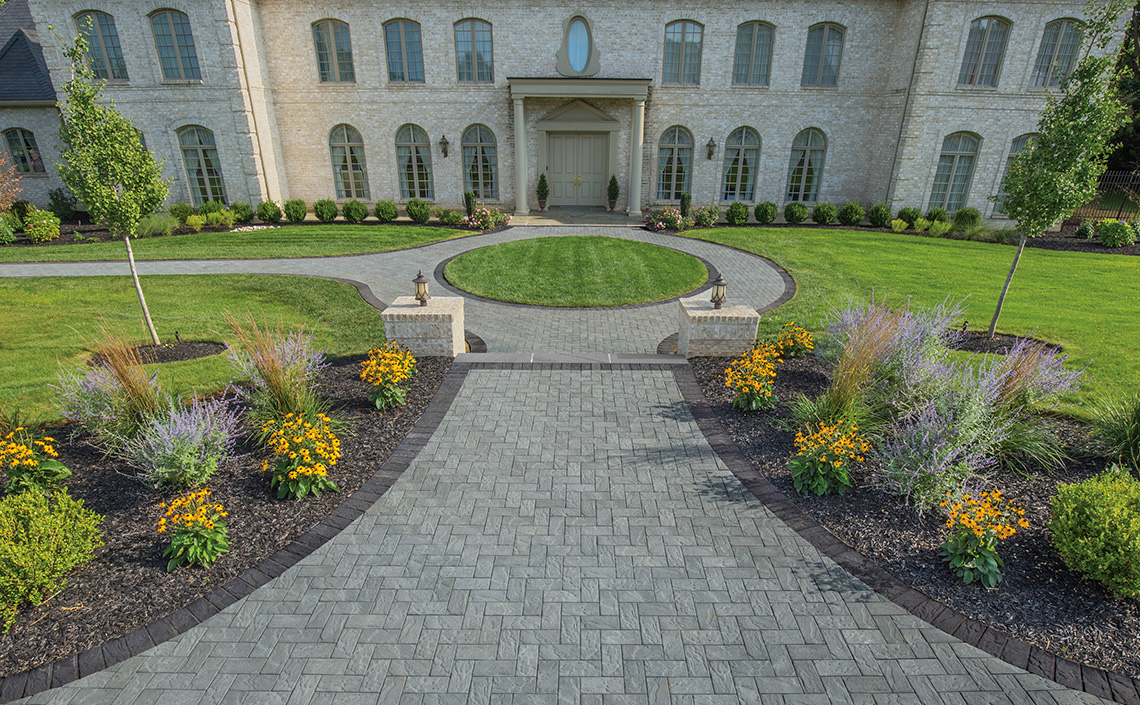
Choosing landscape stone in Northampton County, PA, is about making deliberate decisions that balance aesthetics, performance, and longevity in a climate that demands respect. Homeowners investing in high-end outdoor spaces want more than good looks—they want confidence that every surface, edge, and transition will hold up season after season. At Valley Stone Supply, we work directly with professional contractors to help ensure stone selections elevate the finished landscape while standing up to eastern Pennsylvania’s real-world conditions.
Related: Why Homeowners Choose Flagstone & Gravel in Zionsville, PA
Natural Stone: Timeless Materials for Elevated Outdoor Construction
Natural stone remains the foundation of the most enduring and refined outdoor environments, and it’s at the core of what we provide at Valley Stone Supply. Sourced for both performance and appearance, our natural stone selections support high-end residential landscapes that demand authenticity, strength, and visual depth.
Unlike manufactured materials, natural stone brings inherent variation in color, texture, and character. That variation is exactly what allows patios, walkways, walls, and outdoor living spaces to feel grounded and intentional rather than repetitive or staged. Each piece contributes to a finished project that feels established from day one.
In Northampton County and throughout eastern Pennsylvania, natural stone must also stand up to real conditions. Freeze-thaw cycles, moisture exposure, and seasonal temperature swings require materials that won’t compromise over time. Our natural stone options are selected with those realities in mind, supporting long-term performance when installed correctly by professional contractors.
From horizontal surfaces to vertical applications, natural stone integrates seamlessly across outdoor environments, creating cohesion between living spaces, circulation paths, and architectural features. It’s a material choice that signals permanence, craftsmanship, and restraint.
For contractors building refined outdoor spaces, natural stone isn’t just a finish—it’s the backbone of an outdoor experience designed to last.
Refinement Starts With Understanding Local Conditions
Northampton County landscapes experience true seasonal extremes. Winters bring sustained freezing temperatures and frequent freeze-thaw cycles. Spring introduces heavy rain and saturated soils. Summers can be hot, humid, and storm-driven. Fall brings fluctuating temperatures that test materials one last time before winter sets in.
Stone that performs beautifully in mild climates can fail prematurely here if it’s not properly selected and installed. That’s why refined outdoor environments in our region begin with stone that is structurally sound, climate-appropriate, and intentionally chosen for its role in the landscape.
Installation timing matters, too. The most active construction season runs from late spring through early fall, when ground conditions are stable and base materials can be properly compacted. Early material planning allows contractors to lock in consistent stone selections before peak demand, keeping projects on schedule and maintaining design continuity across large outdoor builds.
7 Landscape Stones That Support a More Refined Outdoor Experience
A refined outdoor experience is layered. It’s not built with a single material repeated everywhere, but with stone types that complement one another while serving distinct functional roles. These are the categories of landscape stone we help contractors source for premium residential projects throughout Northampton County.
Natural Flagstone
Flagstone remains a cornerstone of refined outdoor design. Its natural cleft surface and organic edges create movement and character while still feeling substantial underfoot. When properly installed with the right base and drainage, flagstone performs exceptionally well in freeze-thaw environments.Bluestone
Bluestone is prized for its density, strength, and clean aesthetic. Its consistent thickness makes it ideal for patios, walkways, and steps where precision matters. Bluestone feels intentional, structured, and timeless—qualities homeowners immediately recognize.Limestone
Limestone introduces warmth and softness to a landscape. Its lighter tones brighten outdoor spaces and pair well with both traditional and contemporary architecture. Limestone is often selected for patios, accents, and steps where refinement and subtle contrast are desired.Stone Veneer
Veneer allows contractors to bring stone vertically into the landscape without excessive mass. It’s frequently used for outdoor kitchens, seating walls, fireplaces, and retaining walls, adding architectural depth and cohesion.Wall Stone and Structural Stone
Retaining walls, seating walls, and raised planters rely on structural stone that delivers both stability and visual continuity. These elements anchor the landscape and create a sense of permanence.Boulders and Accent Stone
Boulders add visual gravity and natural flow. Used strategically, they connect built environments to the surrounding landscape, particularly on sloped properties common throughout Northampton County.Decorative Gravel and Aggregates
Gravel supports drainage, defines pathways, and introduces texture. In refined designs, it’s used intentionally—never as filler, always as a purposeful design element.
Each category serves a specific role, but together they create landscapes that feel curated rather than assembled.
Designing for Use, Not Just Appearance
Refined landscapes succeed because they anticipate how homeowners will move, gather, cook, and relax outdoors. Stone selection must support that flow. A patio that feels solid underfoot, a walkway that remains stable through winter, and walls that retain their structure over decades all contribute to an environment that feels trustworthy and complete.
We help contractors match stone to purpose so the finished result feels effortless—because the hard decisions were made early.
What Is the Best Stone to Use for Landscaping?
The best stone to use for landscaping is never a universal choice. It’s a decision shaped by how the space will function, the level of refinement expected, and how the material will perform under local environmental conditions. In Northampton County, design and durability are inseparable. Stone must withstand freeze-thaw cycles, moisture exposure, and seasonal temperature swings while maintaining its integrity and appearance over time.
Choosing the right stone is not about following trends. It’s about selecting materials that support how the outdoor space will actually be used and experienced.
Start With Function and Foot Traffic
Every landscape element places different demands on stone. Patios and gathering spaces experience frequent foot traffic, furniture weight, and daily use. These areas benefit from dense natural stone such as bluestone or carefully selected flagstone, which provide a solid, grounded feel underfoot and long-term structural reliability.
Walkways require a different approach. Consistent thickness, natural traction, and stable placement are essential for safe, comfortable movement throughout the landscape. Stone used for pathways should guide circulation without distraction, reinforcing the overall flow of the outdoor environment.
Consider Northampton County’s Climate Realities
Local climate plays a critical role in stone performance. In Northampton County, repeated freeze-thaw cycles can cause inferior materials to crack, shift, or deteriorate prematurely. Stone selected for outdoor use must resist moisture infiltration and surface breakdown to remain stable across seasons.
Vertical applications—such as walls, steps, and architectural features—face additional stresses. These elements require stone that maintains its strength and appearance despite constant exposure to temperature changes and moisture.
Choose Stone That Supports the Overall Experience
The best landscaping stone doesn’t demand attention through maintenance issues or early failure. Instead, it quietly reinforces the experience of the space. When stone is chosen with intention, it allows the design, craftsmanship, and setting to feel cohesive and confident.
A refined outdoor landscape is one where materials feel purposeful, durable, and naturally suited to their role—season after season, without compromise.
Related: Designing With Bluestone and Brick: Sophisticated Options for Saucon Valley, PA Homes
Which Natural Stone Is the Most Durable?
Durability is not optional in outdoor construction—it’s a baseline requirement. In Northampton County, natural stone must withstand repeated freeze-thaw cycles, moisture saturation, temperature swings, and daily use without cracking, spalling, surface erosion, or structural movement. Stone that performs well in milder climates can struggle here if it isn’t properly suited to local conditions.
Selecting durable stone is about understanding how material properties, installation methods, and environmental exposure work together over time.
Density and Absorption Matter Most
Dense natural stones such as bluestone and certain limestones are among the most durable options for outdoor use when properly selected and installed. Their strength and relatively low absorption rates help limit moisture penetration, reducing the risk of freeze-related damage.
These stones perform particularly well in patios, steps, and walkways that experience frequent foot traffic and constant exposure to the elements. When used in the right applications, they maintain both structural integrity and surface appearance through years of seasonal stress.
Installation Plays an Equal Role in Longevity
Durability isn’t determined by stone alone. Thickness, installation method, base preparation, and drainage all directly impact how stone performs over time. Even the strongest stone will fail prematurely if it’s set on an unstable base or exposed to standing water.
Proper compaction, appropriate bedding materials, and thoughtful water management are essential—especially in a region where moisture and freezing temperatures are unavoidable.
Selection and Planning Go Hand in Hand
The most durable landscapes are the result of coordinated decisions. Stone selection and installation planning should always happen together, not in isolation. Matching the right material to the right application ensures the finished space holds its shape, function, and appearance season after season.
What Is the Most Important Consideration in Selecting a Stone for a Particular Exterior Use?
Function always comes first.
Every exterior application places different demands on stone. A patio surface must handle foot traffic and furniture weight. Steps must support concentrated loads and maintain consistent riser heights. Walls must resist lateral pressure and moisture exposure. Outdoor kitchens introduce heat, grease, and year-round exposure.
In Northampton County, freeze-thaw resistance and moisture management are often the deciding factors. Slip resistance, edge treatment, and thickness also matter, especially for walkways and steps.
The most important consideration is whether the stone is suited for the specific job it’s being asked to do—today, next winter, and ten years from now.
Refinement Comes From Restraint
High-end landscapes don’t rely on excess. They rely on clarity. Using the right stone in the right place creates visual calm and structural confidence. Overusing a material or forcing it into the wrong application does the opposite.
Thoughtful selection creates landscapes that feel composed, not cluttered.
What Is the Best Stone for an Outdoor Kitchen?
Outdoor kitchens are one of the most demanding features in a residential landscape. They combine heat, moisture, food preparation, and year-round exposure in a single space.
Stone veneer is commonly used for vertical surfaces because it delivers durability and design flexibility while maintaining a refined profile. Veneer allows outdoor kitchens to integrate seamlessly with surrounding walls, fireplaces, and seating areas.
Surrounding surfaces benefit from dense natural stone that can withstand temperature changes and frequent use. Stone chosen for outdoor kitchens should feel substantial, easy to maintain, and visually cohesive with the rest of the landscape.
In our climate, materials must also tolerate winter shutdowns without damage. Proper stone selection ensures the kitchen looks just as intentional in year five as it did on opening day.
What Is the Best Stone for a Walkway?
A walkway sets the tone for the entire property. It’s the first place homeowners and guests interact with the landscape underfoot.
In Northampton County, walkways must manage moisture, snow, ice, and repeated use without shifting or cracking. Bluestone and flagstone are frequently selected for their durability, traction, and visual consistency.
Dimensional stone creates a structured, formal approach. Irregular flagstone introduces movement and natural rhythm. Both can support a refined experience when installed with proper base preparation and edge restraint.
A well-built stone walkway feels solid, grounded, and intuitive—qualities that define high-end outdoor environments.
Seasonal Considerations for Stone Installation
Eastern Pennsylvania’s climate influences not just material selection, but project scheduling. Spring installations must account for saturated soils. Summer heat affects curing times and crew pacing. Fall projects require careful planning to avoid early freezes.
Stone projects benefit from early coordination so materials are available when conditions are optimal. We work with contractors to align material availability with realistic installation windows, helping avoid rushed decisions or compromised outcomes.
Refined landscapes are built with patience and preparation.
Supporting Contractors With Confidence and Consistency
At Valley Stone Supply, our role goes beyond supplying materials. We work alongside contractors as partners in the construction process, helping ensure stone selections align with design intent, site conditions, and long-term performance expectations.
Contractors rely on consistency—consistent sizing, reliable availability, and stone that behaves predictably during installation. Homeowners rely on outcomes that feel intentional and enduring.
When those needs align, projects run smoother, and results speak for themselves.
Related: Best Retaining Wall Blocks and Natural Stone for Your Home in Macungie and Schnecksville, PA